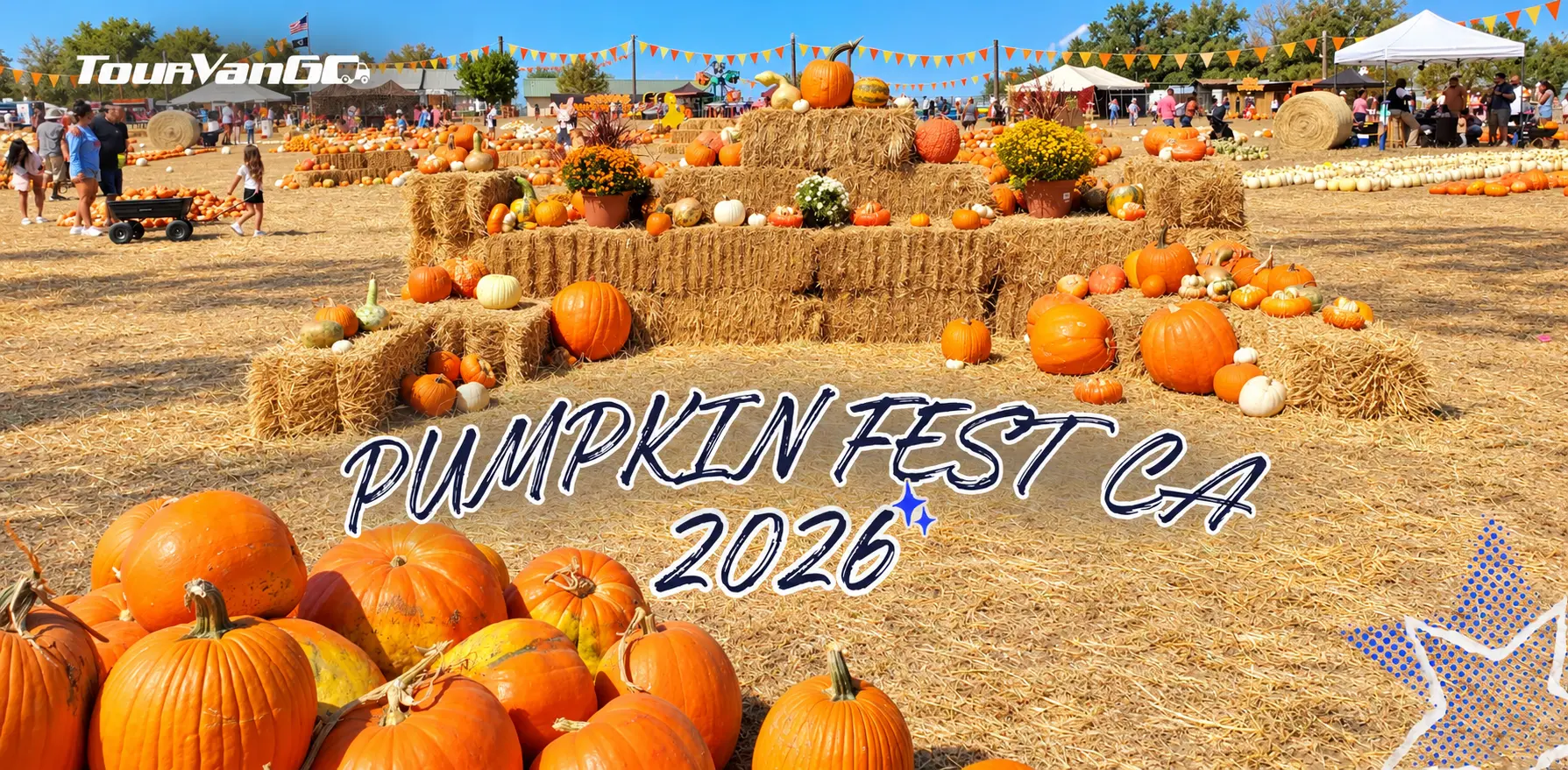
Looking for the best pumpkin festival California has to offer in 2026? You're in luck. Southern California might not deliver the crisp autumn weather you see in Hallmark movies, but when it comes to pumpkin patches, corn mazes, and Halloween celebrations, we know how to fall right.
5 min readJan 19, 2026
What to Do for Valentine’s Day in LA and Nearby California Cities
“Love doesn’t need a grand gesture, it needs the right moment.”
And preferably one that doesn’t include circling the block for parking.
Valentine’s Day is one of the most popular wedding dates in California, with couples choosing February 14 to say “I do” surrounded by roses, candles, and just a little bit of chaos. Weddings and romantic events on this day come with unique logistics, moving guests from churches or ceremony spaces to photo shoot locations, restaurants, and reception venues, all while traffic and timing are working against you.
At TourVango, we’ve spent years providing hands-on Sprinter van transportation for Valentine’s Day weddings, proposals, and romantic events across California. Based on what we’ve seen (and survived), we’ve gathered the cities and venues that truly shine on February 14. Whether you’re planning a wedding, an anniversary, or a thoughtfully impressive date, this guide covers romantic activities, memorable date ideas, and the unique Valentine’s Day vibes of Los Angeles and nearby California cities for 2026.
Romantic Dates in Los Angeles Your Girlfriend Will Love
As Pablo Picasso once said, “Love is the greatest refreshment in life,” and in California, Valentine’s Day offers plenty of ways to refresh your relationship from romantic dinners and hands-on experiences to river cruises and seaside escapes. Whether you’re keeping things low-key or quietly impressive, the most memorable plans are often the ones that feel effortless.
To be fair, Valentine’s Day in LA starts at the table. Romantic restaurants are the backbone of February 14 here, offering unforgettable dining experiences such as:
Rooftop restaurants with sweeping skyline views
Oceanfront dining where the sound of waves sets the mood
Celebrity-chef restaurants featuring artfully crafted, indulgent menus
If your idea of romance involves candlelight, atmosphere, and impeccable plating, Los Angeles delivers.
But LA couples rarely stop at dinner. Valentine’s Day is prime time for professional photo shoots, whether it’s before cocktails or after dessert. Scenic backdrops like Griffith Observatory, Santa Monica Pier and the beaches of Malibu turn a simple date into something frame-worthy. This style of Valentine’s celebration is especially popular for anniversary milestones, proposals or couples who believe romance should come with evidence.
Beyond dining and photos, LA offers experiences that feel personal rather than performative. Think spa days where phones stay off, live jazz nights that feel straight out of a movie, intimate theater performances or comedy shows that prove laughter really is romantic. As the saying goes, “A couple that laughs together stays together.”
For Couples Who Get Married on Feb. 14
Valentine’s Day tends to get loud in Los Angeles, especially if you intend to get married on this day. Restaurants overflow, prices jump, and what should feel romantic can quickly turn into a full production. But romance doesn’t have to be complicated to be meaningful. Sometimes, the best celebrations happen just outside the spotlight, on the water, or at scenic city spots.
Even today, love takes a little planning: picking the perfect spot, capturing those special moments, and making sure everyone gets there on time.
For couples tying the knot on February 14 2026, professional photo shoots are a major part of the wedding-day experience in Los Angeles. Beaches, elevated viewpoints, and iconic streets will turn wedding photos into cinematic keepsakes. Many couples elevate the shoot by renting a classic car, using it as a stylish prop that adds a timeless, romantic touch at each location.
Photo plans often include family members and guests as well. Moving a group between the ceremony, multiple photo locations, and restaurants or reception venues can be challenging on such a busy day. In these cases, renting a Sprinter van becomes a practical and elegant solution, allowing everyone to travel together comfortably, stay on schedule, and keep the day flowing smoothly without disrupting the romance.
What to Do on Valentine’s Day in Glendale, CA
If Los Angeles feels like too much, Glendale is famous for its quieter, more intimate cousin and that’s exactly the appeal. Valentine’s Day here feels calmer, warmer, and far less rushed.
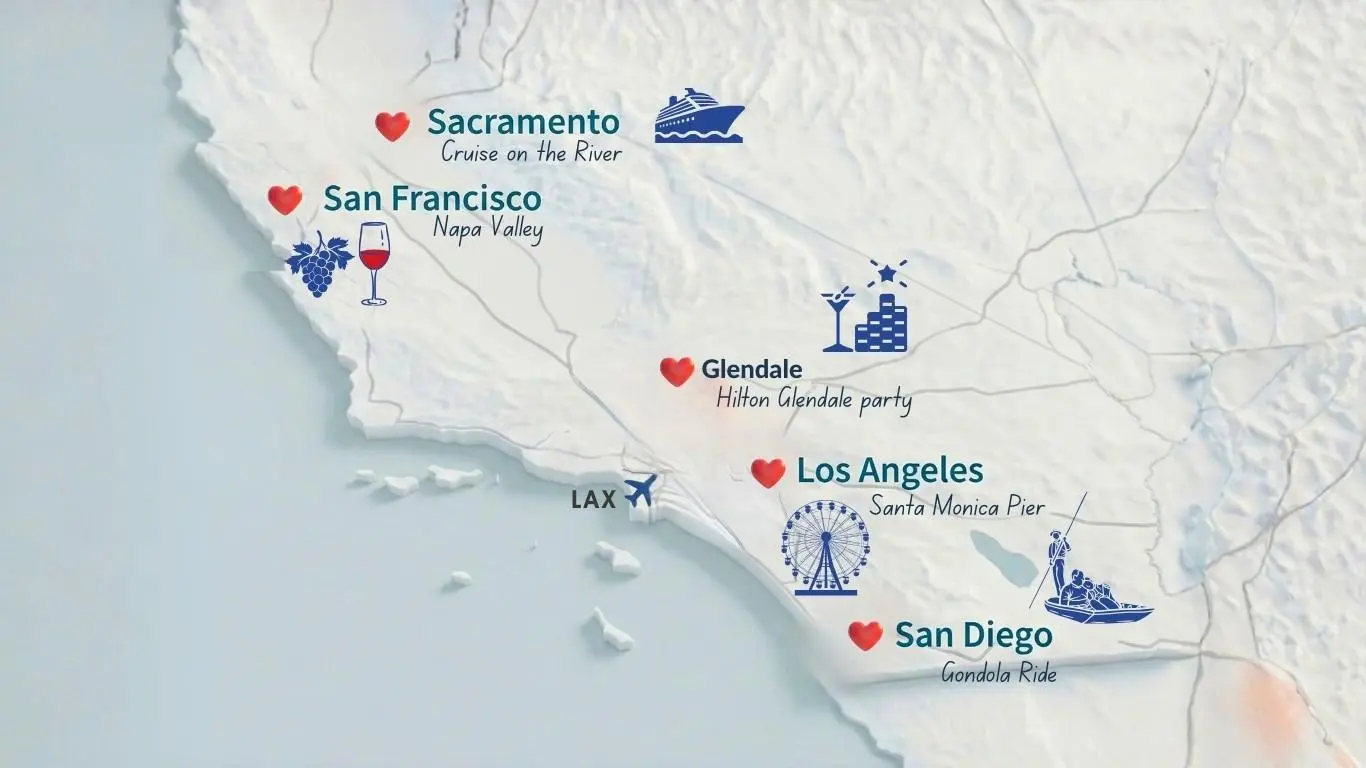
Many couples give their preference to elegant parties and romantic dinners and annual Valentine’s Day concerts at venues like the Hilton Glendale, where celebrations feel refined rather than overcrowded.
The city also lends itself to hands-on date ideas, like a couple’s cooking class where teamwork replaces small talk, or a peaceful stroll through a local botanical garden where the pace naturally slows down.
Glendale proves that romance doesn’t need noise to be memorable, sometimes it just needs space.
Valentine’s Day Events in Sacramento for Couples
Sacramento offers a Valentine’s Day experience that’s unexpectedly charming. One of the most romantic options is a dinner cruise along the Sacramento River, where city lights reflect on the water and the evening feels both romantic and special. Generally this event lasts about 2 hours and can include a plated dinner with views of the city lights reflecting on the water a setting that feels both romantic and special. Prices for dinner cruises are around $90–$95 per adult (plus tax, docking fees, and gratuity.)
Beyond the river, couples can explore local attractions, cozy wine bars and historic streets that feel tailor-made for February romance. Sacramento’s Valentine’s vibe is relaxed, scenic and refreshingly unpretentious, perfect for couples who prefer connection over spectacle.
Gondola Ride in San Diego to Impress Your Partner
If romance had a zip code, San Diego would make a strong case for it. With ocean air, palm-lined streets, and sunsets that feel scripted, the city is the ultimate coastal Valentine’s escape. February 14 brings special gondola rides and flagship cruises, offering a floating dinner-date experience that’s hard to top.
The Gondola Company offers Saint Valentino Cruises on February 14, intimate Venetian‑style gondola rides through the Coronado Cays that typically last about 50 minutes and start around $235–$270 for two people, with chocolate and roses included and upgrades like live music or a singing gondolier available.
For a classic dinner‑on‑the‑water experience, Flagship Cruises & Events runs Valentine’s Day dinner cruises on San Diego Bay with a 3‑course meal, live music, and sweeping skyline views; prices usually begin around $109.50+ per person for dinner or $99.50+ for a champagne brunch, with departures in the early afternoon and evening.
City Cruises also offers a Valentine’s Day dinner cruise departing in the early evening (around 6:30 pm–10:00 pm) with plated meals and views of the harbor starting from $$117.15 to $292.61 per person.
And if being on the open water isn’t your partner’s thing, a simple romantic walk along Coronado Beach or La Jolla Cove works just as well because in San Diego, even “doing nothing” feels impressive.
And if being on the water isn’t your partner’s thing, a simple romantic walk along the beach works just as well because in San Diego, even “doing nothing” feels impressive.
For wine lovers the local winery scene offers a romantic alternative to traditional dinners and cruises. With dozens of boutique wineries spread across areas like Ramona, Escondido and Rancho Bernardo, couples can sip, savor and explore at an unhurried pace. Many of these vineyards offer romantic tasting rooms, scenic views and cozy outdoor spaces that feel tailor-made for a February 14 celebration, perfect for sharing a glass, lingering over conversation and letting the day unfold naturally.
Which City Is Best for Your Valentine’s Day Date?
The official, universally accepted answer is Paris, France, obviously. But if you’re staying closer to home and still want to impress, San Diego wins for coastal relaxation, while Napa Valley near San Francisco takes the crown for wine-country romance.
San Francisco itself is packed with Valentine’s charm. From iconic viewpoints to playful traditions like the annual Great Pillow Fight at Justin Herman Plaza, the city knows how to mix romance with fun. For couples who prefer music over flowers, candlelight concerts throughout the city offer an intimate alternative that feels timeless and personal. Timeless evenings with prices often starting around $35–$40 per person.
Love, California-Style
Valentine’s Day doesn’t have to be louder, bigger, or more expensive to be meaningful. Whether you’re planning a wedding, a proposal or a quiet date that still feels special, the right city and the right planning make all the difference. And in California, romance isn’t about the gesture. It’s about the moment… and getting there without stress.
Read More Interesting Entries
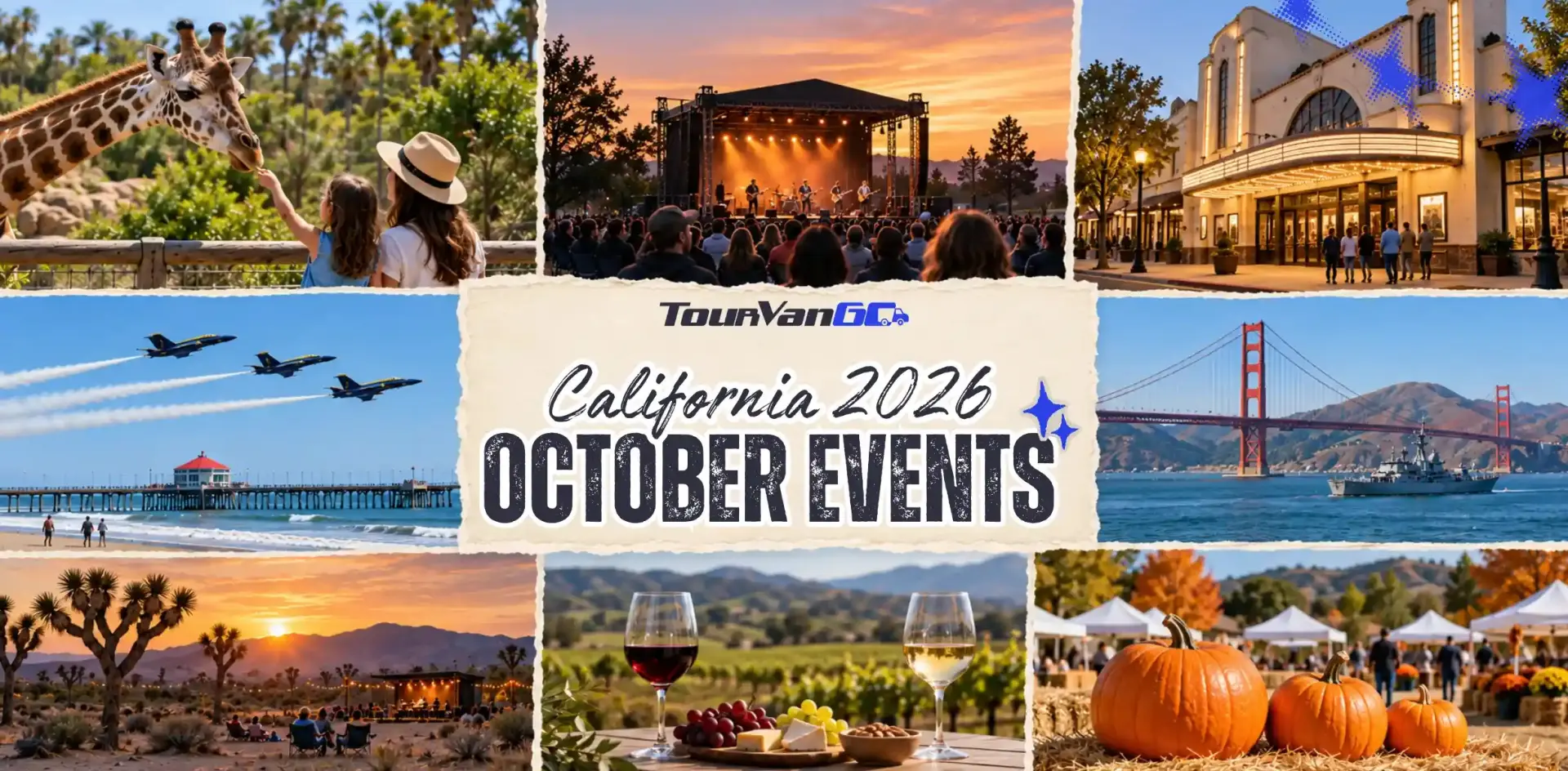
October in California has a bit of an identity crisis in the best possible way. You can spend one weekend listening to metal in Sacramento, the next watching jets fly over the Pacific, and another surrounded by enormous pumpkins on the coast. The October events in California calendar for 2026 has plenty of reasons to turn an ordinary weekend into a road trip. Families can take advantage of monthlong offers in San Diego, music fans have festivals in Sacramento and Joshua Tree, and fall lovers can finish the month with a classic pumpkin-filled day in Half Moon Bay. Here are eight California events worth putting on your October calendar, along with the dates, locations, and planning details you’ll want before heading out. October may be one of the smartest months for families to plan a San Diego getaway. Kids Free San Diego runs throughout the month, bringing together more than 100 special offers from participating attractions, museums, hotels, restaurants, and other businesses across the county. The offers are not identical, so this is one event where reading the fine print can actually save you money.
Read more...Oct 2, 2026