View More Articles
6 min readAug 25, 2025

Unforgettable Drivable Summer Trips From Los Angeles

Unforgettable Drivable Summer Trips From Los Angeles

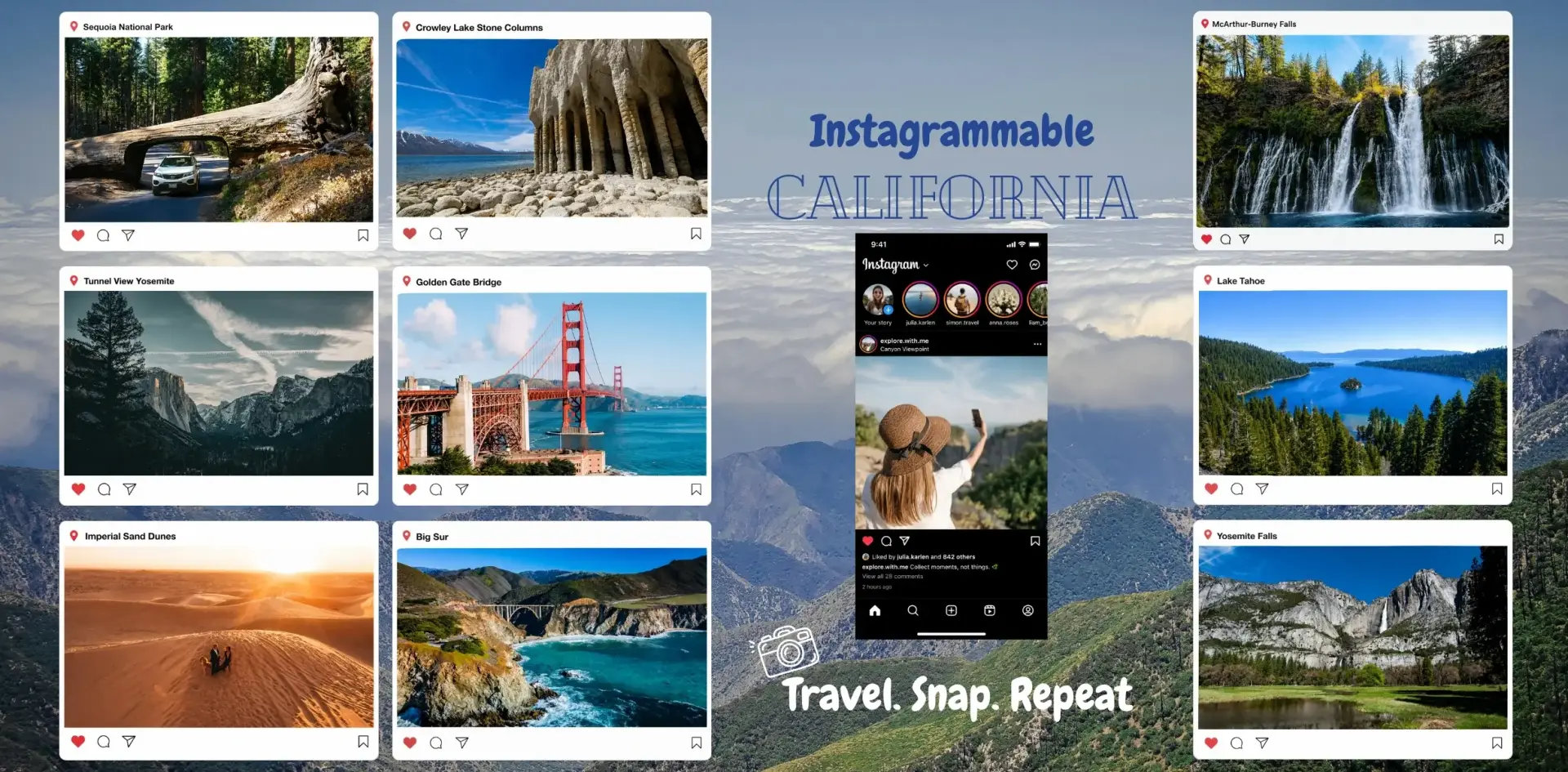
Whether it’s a romantic date, a family outing, or group tour, California offers various driveable travel destinations, and they are all just a few hours from LA. If you want to truly experience the city itself, plan for up to 7 days to see the highlights, from beaches and museums to nightlife and iconic landmarks. And with TourVanGo’s luxury Mercedes-Benz Sprinter vans and professional drivers in Los Angeles, you can skip the parking hassles, travel together in comfort, and focus entirely on the journey.

1. Ojai, CA : Drive Time - 1.5 hours

Nestled in the scenic Ojai Valley and surrounded by Topatopa Mountains, Ojai, CA, is a peaceful escape offering a perfect blend of natural beauty, culture, and local charm. It is an ideal getaway for outdoor enthusiasts, foodies, and those seeking relaxation. The town is the go-to destination for boutique shopping, farm-to table dining and scenic outdoor activities reflecting its strong local-business culture. Visit between Wednesday and Sunday to experience the vibrant community and discover everything from handmade jewelry to organic skincare. Monday and Tuesday tend to be busier with tourists, and parking can be harder to find. But don’t worry, If you’re visiting in a van with a professional driver, you won’t have to worry about finding a spot.

One of Ojai’s iconic spots is Bart’s Books, the world’s largest outdoor bookstore. Here, visitors can browse shelves in an open-air courtyard, surrounded by peaceful mountain views. For outdoor lovers, the Ojai Valley Trail offers scenic bike rides through orchards and farms, perfect for exploring the valley’s natural beauty.

Ojai is also known for its luxury spas, like the Ojai Valley Inn & Spa, which offer rejuvenating treatments. Don’t miss the town’s “pink moment” sunset, when the mountains glow in shades of pink and purple.

Foodies will enjoy Ojai’s farm-to-table scene, with local favorites like The Dutchess for creative dishes and Topa Topa Brewing for craft beers. Ojai’s Farmers Market (every Sunday morning) is perfect for picking up fresh local produce.

2. Palm Springs: Drive Time - 2 hours

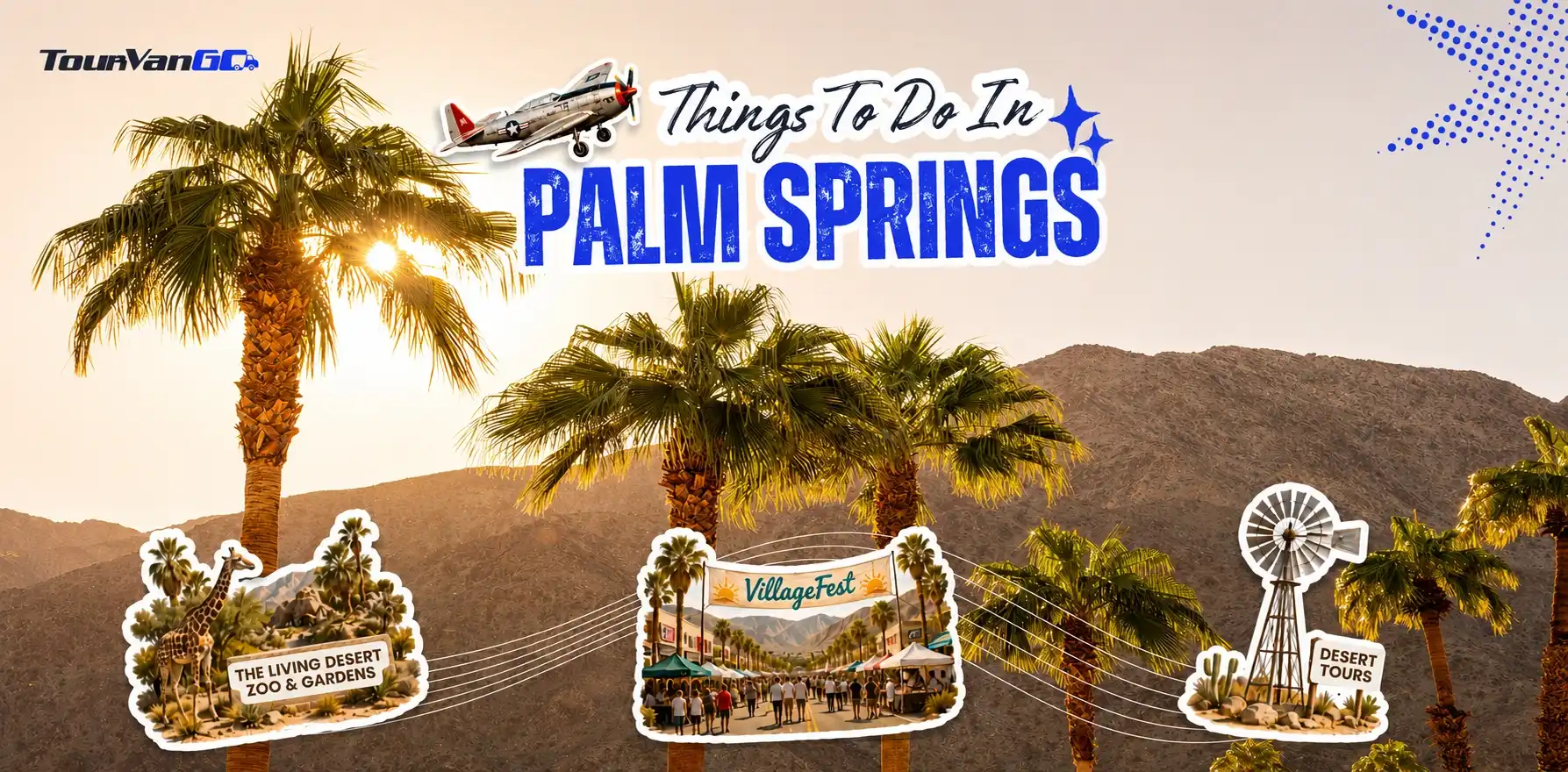
Palm Springs, California, is the perfect blend of retro glamour and desert adventure, offering visitors a stylish, sun-soaked escape with a touch of old Hollywood charm. Whether you’re sipping cocktails by the pool or exploring the stunning desert landscape, Palm Springs has something for everyone.

Adventure seekers can explore Joshua Tree National Parks, a short drive away, or embark on a desert ATV tour. For a bird’s-eye view of the valley, ride the Palm Springs Aerial Tramway, which takes you high above the desert floor to cool mountain peaks. Attractions like the International Banana Museum add a fun touch to the experience.

The dining scene in Palm Springs is equally captivating. Indulge in retro vibes at The Purple Room Supper Club, where you can enjoy live music and classic cocktails. For a taste of Mexico with a twist, head to El Jefe at the Saguaro Hotel. If you're in the mood for something trendy, and stylish, Boozehounds is a must-visit with your furry friends.

3. Malibu: Drive Time -1 hour

Malibu CA, is the ultimate destination where relaxation meets adventure, making it a must-visit for beach lovers, hikers, and anyone looking to explore the coast. Known for its stunning beaches Malibu offers the perfect mix of natural beauty and outdoor activities. The best time to visit is during the summer months when the weather is warm and perfect for beach lounging, though Malibu’s scenic views are a year-round adventure.

Start your day by hiking to Point Dume for panoramic views of the Pacific Ocean and coastline. Afterward, spend some time at Malibu Pier, a historic landmark where you can stroll, fish, or enjoy a delicious meal when it comes to dining. Malibu offers a variety of options, from casual beachside spots to luxury restaurants. Paradise Cove offers relaxed beach vibes and tropical cocktails with an ocean view. For a more upscale experience, Geoffrey’s provides fine dining with breathtaking views. Sunset Restaurant and Duke’s Malibu are perfect for enjoying seafood and the stunning Malibu sunset. Whether you're seeking adventure or tranquility, Malibu has it all.

4. Ventura: Drive Time - 1 hour

Ventura CA offers the perfect balance of beach vibes, delicious food, and a relaxed atmosphere, making it an ideal getaway for those looking to escape the more tourist-heavy spots. Known for its charming coastal beauty, Ventura is best visited in the spring and summer when the weather is sunny and perfect for outdoor activities. Start by taking a leisurely stroll down Ventura Pier, where you can enjoy panoramic views of the Pacific Ocean and the surrounding coastline. If you’re in the mood for something unique, visit Vom Fass, a specialty shop offering gourmet oils, vinegars, and spirits, perfect for picking up a delicious treat or gift. For those interested in surfing, Ventura is the best spot to take a surf lesson and experience the thrill of riding the waves.

Downtown Ventura comes alive in the evenings with live music and a friendly atmosphere. For food, Ventura delivers a range of dining experiences. Finney’s Crafthouse serves up craft cocktails and flavorful dishes like carnitas nachos, while Bank of Italy Cocktail Trust offers a sophisticated yet fun setting. Casa de Soria is a local favorite for Mexican food, and Ven Tiki Lounge combines tiki drinks with a lively, tropical vibe. 

5. Big Bear: Drive Time - 2 hours

Big Bear CA, is a year-round alpine paradise offering both adventure and relaxation in. Nestled in the San Bernardino Mountains, it’s a perfect destination whether you’re looking for winter thrills or summer serenity.In winter you can go skiing, snowboarding and snow tubing at Snow Summit.But let’s focus on Big Bear’s summer activities. During the warmer months, Big Bear transforms into an outdoor enthusiast’s dream. Hiking trails like the popular Castle Rock Trail lead to stunning views of the lake and mountains. You can also enjoy zip-lining, biking along the eateries, and it is a perfect spot to relax after a day of exploration.

Tropicali, a popular food destination, serves up delicious Hawaiian bowls. TheTeddy Bear Restaurant, known for its mouthwatering cinnamon roll pancakes, is another beloved gourmet destination in Big Bear. Other local favorites include 572 Social and The Pines Tavern, where you can indulge in hearty meals and enjoy the welcoming alpine atmosphere.  

6. Temecula: Drive Time - 1.5 hours 

It’s a perfect destination for those who enjoy a slower pace, beautiful landscapes, and, of course, exceptional wine. The best time to visit is between April and November, when the weather is perfect for enjoying the region's outdoor beauty and the vineyard. Temecula is renowned for its winery tours. A visit to Miramonte, Europa Village, or South Coast Winery offers a chance to explore picturesque vineyards while sampling some of the best local wines. When it comes to dining and nightlife, Temecula has something for every taste. Goat and Vine offers delicious pizzas and a cozy atmosphere, while Small Barn and Thompson & Twain bring an intimate, upscale experience. In the morning head over to Press Coffee, a local favorite that serves expertly brewed coffee to start your day off right. 

If you're traveling with a group or family, consider booking a sprinter van for up to 15 passengers, which offers fantastic options to make the experience even more special and tailored for larger groups. It's a great way to ensure everyone enjoys the adventure together! 

Read More Interesting Entries

A photo collage of San Francisco landmarks: Golden Gate Bridge, Alcatraz Island, Pier 39 & the Painted Ladies

San Francisco is one of those cities that doesn’t try to impress you… and somehow does anyway. You step outside, look up, and realize the street is basically a staircase. You grab a coffee, turn a corner, and there’s a view that feels way too good for a random Tuesday.

One minute you're thinking, "Okay, another big U.S. city,” and the next you're standing on a hill with ocean fog rolling in, watching cable cars rattle by like it’s still 1902. So, if you’re wondering what parts of San Francisco to visit, the short answer is… a lot. But the magic is how close everything feels. You can go from historic prisons to sea lions to world-class views in a single day and somehow it doesn’t feel rushed.

Most people come for the obvious reasons: the Golden Gate Bridge, Alcatraz Island and the famous hills, but what keeps it interesting is everything in between. The sounds, the neighborhoods, the small moments you didn’t plan. If you’re figuring out what parts of San Francisco to visit, don’t stress about doing it “right.” There isn’t one way. You just start somewhere, keep moving, and let the city do the rest.

Keep reading this guide since it is going to cover the top things to do in San Francisco: the big landmarks, the must-see spots, and a few experiences that actually live up to the hype.

The Golden Gate Bridge. Why is it famous and what is the best way to experience it?

It’s one of those places that doesn’t try to stand out; it just naturally does. That bold orange-red span cutting through the fog feels way more intense in real life: bigger, louder, almost cinematic. It’s the kind of place where you stop without planning to, just to take it in for a minute (or ten). The Golden Gate Bridge rises at the entrance to San Francisco Bay as a lasting symbol of American ingenuity, built during the Great Depression and still carrying around 40 million vehicles each year.

Best ways to experience it? Walk it if you don’t mind the wind trying to mess up your hair (worth it). Bike across toward Sausalito if you want views the whole way. Drive it if you're short on time. Or honestly… Just find a viewpoint and stand there longer than you planned.

As for the best time to visit the Golden Gate Bridge, mornings are calmer, but sunset is when it really shows off. And the fog? It does whatever it wants, sometimes wrapping the bridge in clouds, sometimes disappearing completely. At night, though… it’s a different vibe. Quieter, darker, a little mysterious and somehow just as impressive.

Activities in Golden Gate Park

If you’re making the trip to the Golden Gate Bridge, don’t stop there; Golden Gate Park is just around the corner and well worth adding to your day. Visiting Golden Gate Park is one of those experiences where you can easily spend an entire day without running out of things to do. The park is free to enter and open 24 hours, though most attractions operate roughly between 9 AM and 5–6 PM, which is the best time to visit for full access.

Inside, you’ll find highlights like

  • The California Academy of Sciences (tickets usually around $40–$50 for adults) is one of those places where you can spend hours without noticing - moving from an aquarium to a rainforest dome to a planetarium all under one roof.
  • The de Young Museum (about $15 general admission, with free days monthly) and the peaceful corners around it that are perfect for slowing down for a bit between stops.
  • Japanese Tea Garden: Tea Garden costs $16 for adults, $7 for seniors and youth, $3 for kids, and is free for young children and some groups, with timed tickets required in advance.
  • You can rent paddle boats at Stow Lake; rentals cost about $26/hour for rowboats and $32.50/hour for pedal boats.
  • San Francisco Botanical Garden costs about $33 for adults and gives you 3 days of unlimited access to multiple gardens, making it a good-value option. Mornings and late afternoons are usually the best times to visit: fewer crowds, softer light, and a much more relaxed feel overall.

Visiting Alcatraz Island: What to Expect

Alcatraz Island is definitely one of the most talked-about spots in San Francisco and once you go, it’s become obvious why. You don’t just visit Alcatraz Island; you experience it. It’s not just another attraction; it actually feels like stepping into a story you’ve heard a hundred times. It starts with the ferry ride. Cold air, wide-open bay views, and that slow approach toward the island that builds just enough tension to make it interesting.

The whole thing runs about 2.5 hours, starting with a ferry ride across the bay and ending deep inside one of the most famous prisons in the world. For the standard visit, Alcatraz day tours run daily from morning to mid-afternoon, with tickets starting around $27.55 and typical prices at about $47.95 for adults, $29.15 for kids, and slightly less for seniors. You get round-trip ferry access, the Cellhouse entry, and the well-known audio tour that walks you through real stories inside the prison.

If you want something more memorable, the Alcatraz night tour takes it up a notch. Running Tuesday through Saturday, these also last about 2.5 hours and include the ferry, an audio tour, plus extra guided talks and exhibits. Prices are higher, around $59.65 for adults, $34.85 for children, and about $55+ for seniors but the atmosphere is completely different. Fewer crowds, darker corridors, and a much more intense experience overall.

Either way, if you’re looking at Alcatraz prison tickets or Alcatraz Island night tour tickets, book early. These spots fill up fast.

Pier 39

Right on the waterfront, Pier 39 is a little chaotic and definitely touristy but still hard to skip. It’s lively, loud, and honestly… kind of fun once you lean into it.

The real stars here are the Pier 39 sea lions. They just take over the docks barking nonstop, lounging like they own the place, and occasionally shoving each other into the water for no clear reason. If you’re wondering when the sea lions at Pier 39 are around, they’re around most of the year, but winter usually brings the biggest crowds.

Beyond that, it’s all about wandering, popping into quirky shops, grabbing seafood with a view of the bay, and just soaking in that busy, waterfront energy for a while.

Cable Cars in San Francisco & Cable Car Museum

The San Francisco cable cars aren’t just transportation; they’re part of the experience. So, how to ride cable cars in San Francisco without looking lost?

Pretty simple:

  • Wait at a marked stop (or along the route)
  • Signal the driver
  • Hop on or hang off the side if you're feeling bold
  • Hold on. Seriously.

For San Francisco cable car tickets, you’ve got options:

  • Single ride tickets
  • Day passes
  • Multi-day transit passes

If you're wondering where to buy cable car tickets in San Francisco, Powell Street is the easiest place. You can also buy them at kiosks, online, or at major stops. 

Riding the San Francisco cable cars is one of those classic San Francisco experiences that’s equal parts transportation and attraction. A single ride costs about $9 for adults, with discounts for seniors and free rides for very young kids. If you’re planning to hop on more than once, it’s usually smarter to grab a visitor pass (like a 1-day or multi-day passport) that gives you unlimited rides across cable cars and other city transit.

As for how to buy tickets, you’ve got a few easy options: download the MuniMobile app and buy instantly on your phone, use a Clipper card (the Bay Area’s transit card), pay cash with exact change, or purchase tickets at major turnaround points like Powell Street. One important thing at busy stops, especially during the day, is that you’ll often need to buy your ticket before boarding, so it’s worth sorting that out in advance to avoid standing in line while your cable car rolls away without you.

Best cable car route in San Francisco? The Powell–Hyde line. It gives you hills, views, and that classic San Francisco feel. Also worth a quick stop: the Cable Car Museum. It’s small, but seeing the underground machinery makes the whole system make sense. The Cable Car Museum is free to visit, open Tuesday–Sunday (10 AM–4/5 PM), and offers a quick, fascinating look at how the city’s cable cars actually run, with accessible entry available from the Washington Street side.

Twin Peaks San Francisco: Best Viewpoints in the City

If you only make it to one viewpoint in the city, make it Twin Peaks. This is where San Francisco finally shows you the full picture: the skyline, the bay, the hills, all stacked together like a postcard that somehow feels real. And yeah, it’s free. No ticket, no setup, just show up and take it in.

But the real move? Go at night. The city flips into something completely different, lights everywhere, quiet air, and that feeling like you’re looking at something you weren’t totally supposed to find.

The Painted Ladies

The Painted Ladies are one of San Francisco’s most iconic sights, a row of colorful Victorian homes along Steiner Street, right across from Alamo Square Park, often called “Postcard Row” thanks to that perfect skyline backdrop behind them.

Built between the late 1800s (around 1892–1896), these houses survived the 1906 earthquake and later became famous after being repainted in vibrant colors during a preservation movement in the 1960s and '70s. They’re still private homes (so no wandering inside), but the real experience is grabbing a spot in the park, taking photos, or just sitting on the grass and soaking in one of the most classic views in the city best seen in late morning or early afternoon when the light hits just right and the fog usually stays out of the way.

Lombard Street

Yes, it’s that crooked street named Lombard Street. Eight tight turns, a brick road, and flowers everywhere. It sounds gimmicky, but it’s actually kind of fun to see in person. Why is it shaped like that? The reason is that the hill was too steep, so they added curves to make it drivable. And if you wander, can you walk through Lombard Street? Yep, and honestly, that’s the best way to experience it. Driving it is slow and a bit stressful. Walking lets you take photos and enjoy the view.

Sports Destinations: Levi’s Stadium and Oracle Park

If you’re into sports or even just big-event energy, the Bay Area doesn’t disappoint. Between modern stadiums and waterfront ballparks, there’s always something happening, whether it’s a packed NFL game, a baseball night with a view, or a major international event on the calendar.

Levi’s Stadium

Located in Santa Clara, Levi's Stadium is home to the San Francisco 49ers and one of the most modern stadiums in the country. It’s built for scale, huge crowds, major concerts, and events that feel more like productions than just games. And it’s not just about football. The stadium is set to host matches during the FIFA World Cup 2026, which already puts it on the global map.

As for upcoming action, during the NFL season (fall through early winter), you’ll find regular 49ers home games here, along with occasional large concerts and special events throughout the year. If you're planning ahead, it's worth checking schedules of early big games and international events that tend to sell out fast.

Oracle Park

Right along the waterfront, Oracle Park is easily one of the most scenic stadiums in the U.S. It’s home to the San Francisco Giants, but even if you’re not into baseball, the setting alone is worth it; think ocean views, cool bay breeze, and the chance to watch kayakers waiting in the water for home run balls.

During baseball season (spring through fall), the stadium hosts regular games, plus post-season matchups when the Giants make a run. Outside of that, it occasionally turns into a concert venue, and the surrounding area is full of restaurants and bars, making it easy to turn a game into a full evening out.

At Oracle Park, it’s not just about baseball; the calendar stays busy almost year-round. Of course, you’ve got the San Francisco Giants playing throughout the season, including big matchups like Opening Day against the Yankees and regular home games running from spring through fall. But beyond that, the stadium turns into a full-on event venue: major concerts like Fuerza Regida (June 20, 2026) ticket prices usually start around $140–$150, with many listings in the $150-$180+ range, depending on seats and demand and Noah Kahan (August 21, 2026) are already scheduled; ticket prices typically start around $179, with average prices closer to $400+, and better seats going higher depending on demand and section.

There are also occasional unique events like exhibition games, themed game days, and even historic moments like professional soccer matches hosted at the stadium. So whether you’re here for sports, music, or something totally unexpected, there’s almost always something happening.

Closest Airports to San Francisco

There are a few airports in the Bay Area, so picking one depends on your plans:

If you're searching for airports in San Francisco, SFO is the main one, but sometimes OAK or SJC are cheaper or less crowded.

San Francisco doesn’t really care about your plan. And honestly? That’s why it’s so good. You can map out all the top things to do in San Francisco, build the perfect itinerary, time everything down to the minute… and then suddenly you’re off track. A view pulls you in. A street looks better than the one you planned. You stop for five minutes and stay for thirty. No regrets.

That’s the rhythm here. The city works better when you stop trying to control it. So yeah, see the big stuff. Take a photo with the Golden Gate Bridge. Check off the landmarks. But don’t rush through it like it’s a list you need to finish. Leave space to wander, to pause, to get a little lost. That’s where the real moments happen. And if you want everything around that to feel easy getting from the airport, moving between spots, planning your days, TourVanGo takes care of the logistics. Transfers, tours, the behind-the-scenes details… all handled. You just show up and explore.

Read more...Apr 10, 2026
Coachella scene picturing four fashionable girls posing next to luxury TourVanGo van. The background pictures ferris wheel and the camp.

Let’s not pretend we are not going to the Coachella Valley Music and Arts Festival just for the music. We are going for the outfits, the vibes, the sunsets, the stories… and yes, the content. Set in the desert at the iconic Empire Polo Club, Coachella is where your Pinterest board comes to life and then immediately tests your survival skills. Because behind every effortless Instagram post? There’s heat, dust, 20k steps a day, and at least one “where are you guys??” group chat meltdown.

So if Coachella 2026 is calling your name, consider this your real-life cheat code. This isn’t a basic guide, it's your insider playbook with actual tips for Coachella, so you can look good, feel good, and not fall apart by day two.

How to Prepare for Coachella?

Planning ahead is the difference between “best weekend ever” and “why did I do this to myself.” Start with your weekend choice. Weekend 1 is louder, trendier, and full of surprises. Weekend 2 feels more relaxed and organized. Both are great, it just depends on your personality.

Tickets

When it comes to tickets, don’t wait around. Coachella 2026 tickets sell fast. General Admission works for most people, but VIP adds comfort, shorter lines, better bathrooms, shaded areas (yes, worth it). And yes, the lineup? It’s a big deal. Every year, Coachella Valley Music and Arts Festival pulls in global names that basically take over your feed for two weekends straight. Think artists like Justin Bieber, Sabrina Carpenter, and Karol G, plus those surprise guest appearances that no one sees coming but everyone talks about after.

Now let’s talk about reality: tickets. They will sell out. General Admission starts around $549 for Weekend Two and $649 for Weekend One, while VIP climbs to about $1,199–$1,299. Not exactly casual spending, but for many people, Coachella is a bucket-list moment. If you’re serious about going, booking early isn’t optional, it’s how you avoid overpriced resale panic later. But here’s the thing, Coachella isn’t just about the music. It’s an entire experience. General Admission already gets you access to all stages, food spots, and those massive art installations you’ve definitely seen on Instagram. 

Between the art, pop-ups, late-night DJ sets, and endless photo spots, a Coachella weekend feels less like a concert and more like a choose-your-own-adventure in the desert.

Where To Stay

Let’s talk logistics, because where you stay can honestly shape your entire Coachella experience. Distance, comfort, budget, and how much chaos you’re willing to tolerate all play a role here.

Your main options:

  • Hotels in Palm Springs - the most comfortable (and aesthetic) choice. Think pools, AC, and a real bed after a long day. The downside? Prices go up fast during Coachella weekend, and you’ll need to plan transportation in advance.
  • Airbnb rentals - perfect if you’re going with a group. You can split costs, get more space, and sometimes even score a house with a pool, which feels like a luxury in the desert heat. Just book early, good spots disappear quickly.
  • Camping - the full Coachella experience. It’s fun, social, and puts you right next to the festival, but it’s not for the unprepared. You’ll need proper coachella camping essentials, patience, and a solid tolerance for heat and noise.

At the end of the day, it comes down to your vibe: comfort, convenience, or full-on festival immersion.

Transportation

Transportation is another big one and honestly, this is where a lot of people start losing the plot. Whether you’re coming from LAX or Palm Springs, you have to plan ahead. Shuttles are the easiest and most organized option, driving gives you flexibility but comes with serious traffic, and ride shares? Convenient, but the surge pricing will humble you real quick.

Getting there smoothly sets the tone for your entire weekend. You can take shuttles, drive, or use ride shares, but if you’re going with a group, coordination can get messy fast. Multiple cars, missed exits, people running late… chaos. That’s why group van options (like TourVanGo-style setups) just make sense. Everyone stays together, there’s space for outfits and bags, and the trip itself becomes part of the experience instead of a headache.

Quick timing tips:

  • Arrive early to avoid traffic
  • Leave either very early or very late
  • Don’t rely on last-minute ride shares

For a deeper breakdown of routes and timing, check out our full guide on planning Coachella transportation.

What to Bring to the Festival?

Your Coachella packing list can literally make or break your weekend. You don’t need everything, but you definitely need the right things.

Here are your non-negotiable Coachella must haves:

  • Sunscreen (the desert sun is not playing)
  • Sunglasses and a hat
  • Reusable water bottle
  • Comfortable shoes (you’ll walk a lot)

Then come the smart extras that save your life mid-day:

  • Portable charger (your phone will die at the worst moment)
  • Small backpack or crossbody bag
  • Wet wipes or tissues
  • Light jacket for cooler nights

Now let’s talk fashion. Yes, Coachella outfits matter, but the real trick to what to wear to Coachella is balance. You want to look good and survive. Breathable fabrics, layers, and shoes you can actually walk in will always win over “cute but painful.”

Navigating the Festival Grounds

The Empire Polo Club is huge. Like, “accidentally got 15k steps before sunset” huge. To avoid missing your favorite artists, plan ahead. Check the Coachella schedule, download the app, and map out your must-see sets.

A few simple strategies make a big difference:

  • Move between stages early if you want a good spot
  • Avoid food and bathroom lines during headline performances
  • Pick a clear meeting point with your group (signal is unreliable)

Those giant art installations? Not just for photos, they’re your best navigation tools.

Food, Drinks, and Hydration Tips

One of the most common questions: can you bring food into Coachella? Short answer, no full meals, so expect to eat inside.

The good news? The food scene is actually amazing. You’ll find everything from vegan options to indulgent comfort food. You can check vendors through Coachella's official website before you go.

To keep things smooth:

  • Eat during off-peak hours to avoid long lines
  • Share meals with friends so you can try more
  • Budget around $20–$30 per meal

And hydrate constantly. The desert heat plus dancing all day is a dangerous combo if you ignore water.

Safety and Health Considerations

This is the part people underestimate, but it matters. The desert environment is intense, so take it seriously. Drink water, take breaks, and know where medical tents are. Blisters and sunburn happen fast, so be prepared. Also, yes, Coachella cough is real. Dust + crowds = irritation, sometimes called coachella flu or coachella sickness.

To avoid it:

  • Cover your face with a bandana or mask
  • Stay hydrated
  • Wash your hands regularly

Keep your belongings close, stick with your group, and always have a backup plan in case phones die. Safety isn’t boring, it's what keeps the weekend fun.

Maximizing Your Coachella Experience

Once you’ve handled the basics, this is where Coachella becomes unforgettable. Plan your must-see artists, but don’t over-schedule. Some of the best moments come from random sets, side stages, and unexpected discoveries.

Make time for:

  • Art installations (they’re part of the experience, not just decor)
  • Pop-ups and brand activations
  • Golden hour photos (trust me, the lighting is insane)

Coachella is one of those experiences you remember forever but only if you’re prepared. A solid Coachella packing list, smart planning, and knowing what to bring to Coachella will save you from stress and let you actually enjoy the moment. So whether it’s your first time or your third, Coachella 2026 is your chance to go all in music, fashion, art, and everything in between. Coordinating rides during Coachella can get messy fast, especially with a group. That’s why it’s worth planning ahead to reach out to TourVanGo (818) 566-0005,  and lock in your trip early. It’s one of the easiest ways to keep everything organized, stay together, and start your festival weekend stress-free.


Read more...Apr 3, 2026