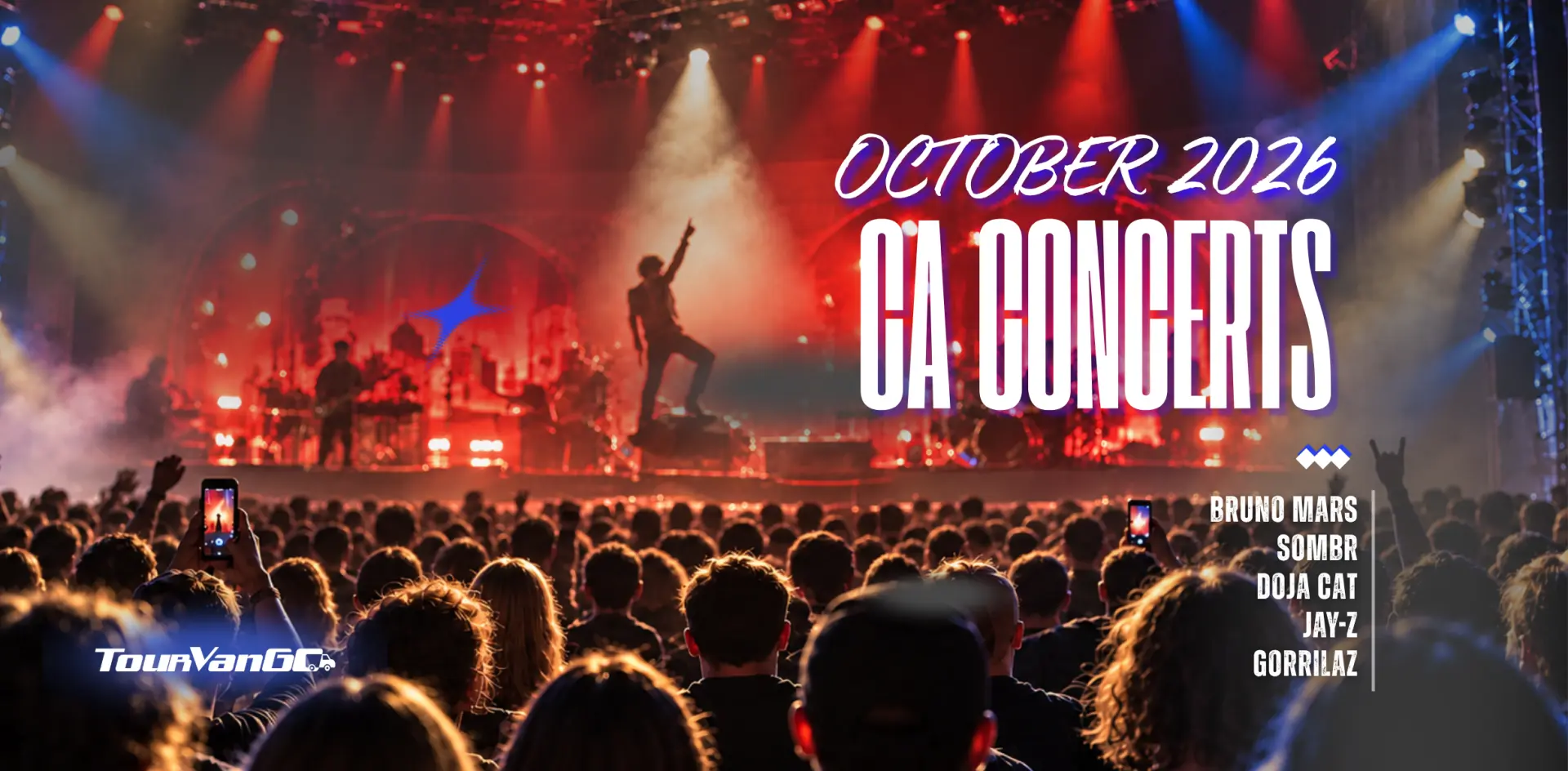
October in California is apparently not interested in being a quiet month. From Bruno Mars taking over stadiums to Doja Cat making her way through three California cities, California October concerts 2026 give music fans plenty of reasons to turn an ordinary concert night into a full trip. Los Angeles, the Bay Area, Sacramento and San Diego all have major shows on the calendar. Below, you can compare artists, October dates, venues and cities, then head to the official event pages for the latest ticket information before making your plans.
10 min readDec 5, 2025
Best Christmas Towns to Visit in California this Year
.jpg?w=1920&q=75&fm=webp)
It’sssss tiiiime…! To sing like Mariah, dance like nobody’s watching, declare your Christmas wish list out loud and sprinkle a little extra magic on your holiday season!
California is about to turn into a sparkling wonderland. Where palm trees wear fairy lights, mountains glow with snow and coastal towns shine brighter than Rudolph’s nose. Whether you’re chasing snowfall in Big Bear, waving to Santa in Solvang, or catching fireworks with Mickey, the Golden State knows how to make Christmas unforgettable.
From family adventures to romantic getaways, 2025 is packed with events that promise sparkle, music and all the heartwarming memories you can handle. So grab your Santa hat, fuzzy socks and maybe even a sleigh (okay, a car or Van works too), because we’re about to unwrap the best Christmas towns and holiday happenings in California this year.
Each town has its own flavor of holiday cheer, from Disneyland’s fairy-tale sparkle to Solvang’s Danish charm, Temecula’s community magic and Big Bear’s snow-capped North Pole vibes. As they say, “Christmas isn’t a season, it’s a feeling” - and in California, you can feel it in every corner.
Wizarding World of Harry Potter & Grinchmas
Ready to see Hogwarts like you’ve never seen it before? From November 24, 2025, through January 4, 2026, the Wizarding World of Harry Potter at Universal Studios Hollywood turns into a full-on winter wonderland. Hogsmeade is draped in twinkling lights, festive garlands and magical decoration that makes you half-expect a Hippogriff to slide down Main Street. Nighttime is extra special: Hogwarts Castle comes alive with a holiday light show, syncing spellbinding projections to Harry Potter music. Meanwhile, Grinchmas is taking over Universal Plaza with holiday mischief. The Grinch himself prowls the park, Cindy-Lou pops in for selfies and the 65-foot Who-ville Christmas tree dazzles like a giant glitter bomb. There are live shows, tree-lighting ceremonies and enough fake snow to make you forget your own winter boots are wet.
No extra tickets are needed beyond standard park admission and the decorations stay up the entire holiday season. Crowds can get lively, especially in the evening, so plan ahead if you want prime photo ops with Hogwarts or a high-five from the Grinch. Whether you’re sipping Butterbeer, snapping magical photos, or just soaking in the holiday chaos, Universal’s Wizarding World and Grinchmas deliver festive fun with a side of magical mayhem.
Holidays at Mickey Mouse’s House
Ready to jingle all the way? Mickey’s Very Merry Christmas Party (MVMCP) is basically Disney’s way of saying, “Let’s turn holiday magic up to 11!” In 2025, this merry bash runs select nights from November 7 through December 21, giving you endless chances to catch Mickey and friends in Santa hats, twirl through festive parades, sip free cocoa, munch unlimited cookies and watch fireworks that make your jaw drop. Tickets range from $169 to $229 for adults (ages 10+), kids 3-9 get a slightly cheaper pass and toddlers under three are basically free magic dust. Guests can sneak in as early as 4 PM to get a head start, with the party officially kicking off at 7 PM and running through midnight. Ride lines shrink, classics like Space Mountain get holiday overlays and the whole park glows with lights, music and that trademark Disney sparkle. Whether you’re a family, a couple, or just someone who considers Olaf their spirit animal, MVMCP is your ultimate holiday cheat code-fun, festive and guaranteed to make you laugh, gasp and maybe even shed a happy tear or two.
Temecula Christmas Parade
December in Temecula transforms the city into a sparkling holiday wonderland and the Temecula Christmas Parade is the crown jewel of the season. This commonly loved event lights up Old Town Temecula on Friday, December 5, 2025, starting at 7:00 PM, showcasing dazzling floats, energetic performers, marching bands and twinkling lights that kick off the holiday spirit. Parade-goers are encouraged to bring blankets and chairs for prime viewing along the route, which begins at Jefferson Avenue & Del Rio Road and winds through the heart of Old Town.
But the festivities don’t stop at the parade. Temecula doesn’t stop at the parade, December turns the whole city into a holiday playground. Santa pops into town, the giant tree lights up the night, local markets buzz with gifts and goodies and family-friendly fun fills every corner. With plenty of free parking from the Old Town Garage to the lots on 1st and 6th Streets, jumping into the festivities is as easy as “ho-ho-go!” Just remember that the road closes along Main Street and nearby streets during the event and arrive early to grab a great spot. Between the lights, music and magical floats, Temecula’s Christmas celebrations provide a perfectly festive outing for families and visitors of all ages.
Solvang's Leading Christmas Event
Solvang is the most Christmassy town in CA. They say “good things come in small packages,” and Solvang Julefest is living proof! From November 28, 2025, through January 4, 2026, this tiny Danish village in the heart of California packs more holiday cheer than a stocking stuffed with candy canes. The festivities kick off with the tree lighting ceremony on December 5 at 5 PM in Solvang Park-think carolers, ballet dancers and enough holiday sparkle to make even Scrooge crack a smile.
The Julefest Parade rolls through the streets the very next morning at 11 AM, with floats, horses and over 400 performers. It’s a “see-it-to-believe-it” kind of spectacle that proves even small towns can throw a big holiday bash. Hungry? The Maker’s Market pops up every Wednesday with local crafts and festive treats, because nothing says “holiday spirit” like cookies and a little retail therapy.
For the little elves in your life (or the big kids who refuse to grow up), there’s a mischievous Nisser elf hunt, Santa’s pop-up village and holiday carolers on Saturdays that will have you singing in the streets. Feeling fancy? Take a July Daylight or Candlelight Tour and stroll the twinkling streets with stories and songs that’ll warm your heart faster than a cup of cocoa. And if you want to “ring in the new year with bells on,” don’t miss the Copenhagen Countdown on December 31, a family-friendly celebration with food, music and fun - because why wait until midnight to start the party?
From sparkling lights to parades, elf hunts and even Danish holiday traditions, Solvang Julefest proves that when it comes to Christmas magic, good things come in small, twinkling packages. Whether you’re snapping Instagram-worthy photos, hunting elves, or sipping cocoa under the lights, this is one California Christmas you won’t want to miss - after all, “it’s beginning to look a lot like Christmas” in Solvang!
Santa’s Village & Mountain Trips
If you’ve ever wondered where Santa hangs out when he’s off-duty, look no further than Southern California’s two festive wonderlands: Santa’s Village Irvine Park in Orange County and Santa’s Village at SkyPark near Big Bear. Both deliver Christmas cheer, but in very different flavors.
Santa’s Village Irvine Park is the cozy, family-friendly classic. Children
can meet Santa, ride the miniature train, enjoy holiday-themed activities and explore the brightly decorated park. It’s the perfect spot for families in the Los Angeles area looking for a quick dash of Christmas magic without leaving town.
Meanwhile, SkyPark at Santa’s Village near Big Bear takes the holiday experience to a whole new level, think North Pole meets mountain adventure. From late November through early January, the entire park transforms into a winter wonderland, complete with Santa’s workshop, forest light displays and an immersive “North Pole village” vibe that makes you feel like you’ve stepped straight into a storybook. Guests can glide across the ice skating rink, enjoy live shows and savor festive treats while exploring the snow-dusted forest paths. Add in zip-lining, climbing towers, mountain biking and other adventure activities and you have a holiday destination that’s both magical and exhilarating.
SkyPark’s location near Big Bear also means visitors can enjoy other winter activities like cozy cabin stays, scenic mountain hikes and even sledding if the snow decides to show up. For planning purposes, Big Bear is nearly two hours from Los Angeles, making it a manageable getaway for a day trip or a full winter weekend.
Whether you’re looking for a quick festive outing in Orange County or a full-blown snowy adventure in Big Bear, Santa’s Villages deliver unforgettable holiday fun, twinkling lights and plenty of “ho ho ho” moments to make your Christmas season truly magical.
Knott’s Merry Farm
If you’ve ever wanted to step inside a snow globe filled with gingerbread, cowboys and holiday cheer, Knott’s Merry Farm is your winter wonderland. From November 21, 2025, through January 4, 2026, Ghost Town gets a festive makeover: snow magically falls on Main Street (yes, fake but fabulous), carolers in Victorian outfits belt out holiday classics and the whole town glows like it’s auditioning for a Hallmark movie. Entertainment is on point: the Home for the Holidays show has dancing toys, singing and yes - even a little stage snow that will make you reach for your cocoa. Snoopy and the Peanuts gang glide across the ice in the ice skating show, proving that even beagles know how to rock a sequined scarf.
Shopaholics, rejoice! The Christmas Crafts Village is packed with handcrafted gifts that scream “I put thought into this,” from carved wood to sparkling glass ornaments. Hungry? Feast like a festive cowboy with holiday treats like meatballs with cranberry sauce, cookies galore and hot cocoa that may or may not come with a grown-up twist. Santa’s Cottage is basically the VIP lounge of Christmas: meet the man himself, snag some cookies and maybe even decorate one with Mrs. Claus if your inner elf is feeling ambitious. Knott’s Merry Farm is perfect for families, couples that want a cozy, nostalgic holiday spirit without losing their theme park thrills. Think of it as your one-stop-shop for snow, sweets and seasonal smiles - where the only thing missing is Rudolph riding a roller coaster.
Winter Fest OC
Winter Fest OC is one of Orange County’s biggest and most dazzling Christmas events, running from November 28, 2025, to January 4, 2026, at the OC Fair & Event Center in Costa Mesa. Picture this: real falling snow, glowing lights, a Forest of Lights walk, ice skating sessions, a 150-foot ice tubing slide and the Holiday House light show all in one place - plus Santa, Jack Frost and even a Yeti or two roaming around. Guests can cozy up in Fireside Igloos with private fire pits and holiday cocktails, or let loose on carnival rides, mini‑golf and bounce houses. The park opens afternoons and evenings, with parking at $12 per vehicle. Winter Fest OC is perfect for families hunting snowball fun and character meet-and-greets, couples seeking a romantic ice-skating or light-stroll moment, and groups of friends looking for rides, live music and festive treats - basically, it’s a holiday wonderland where SoCal sunshine meets full-on winter magic, giving everyone a chance to make merry memories.
Newport Beach Christmas Boat Parade
If you thought Christmas lights were just for your neighbor’s front yard, think again -Newport Beach takes a holiday sparkle to the high seas! The Newport Beach Christmas Boat Parade is the crown jewel of coastal holiday celebrations, running December 17–21, 2025, where decked-out yachts, sailboats and even kayaks glide through the harbor like festive, floating Christmas trees. Expect twinkling lights, holiday music, drone shows and enough sparkle to make Rudolph jealous. For those craving more maritime merriment, Dana Point Harbor hosts its own boat parade and the historic Queen Mary in Long Beach decks its halls with holiday cheer, while up north, Monterey keeps the tradition alive with its own Christmas boat parade and festive waterfront events. Whether you’re a landlubber grabbing a blanket on the pier or a cruise-loving captain aboard a boat, Newport Beach proves that the best way to say “Merry Christmas” might just be with a little saltwater sparkle.
California in 2025 isn’t just celebrating Christmas - it’s throwing a full-blown holiday extravaganza that would make even Santa trade in his sleigh for a convertible. From magical parades and fireworks at Disneyland, to Danish charm in Solvang, sparkling streets and floats in Temecula and snowy mountain adventures in Big Bear. So grab your Santa hat, your stretchy holiday pants and maybe even a cup of hot cocoa to-go- because this Christmas, California is serving up magic, laughter and memories by the sleigh-load. After all, they say the best way to spread Christmas cheer is… well, experiencing it all in one unforgettable Golden State holiday road trip!
Read More Interesting Entries
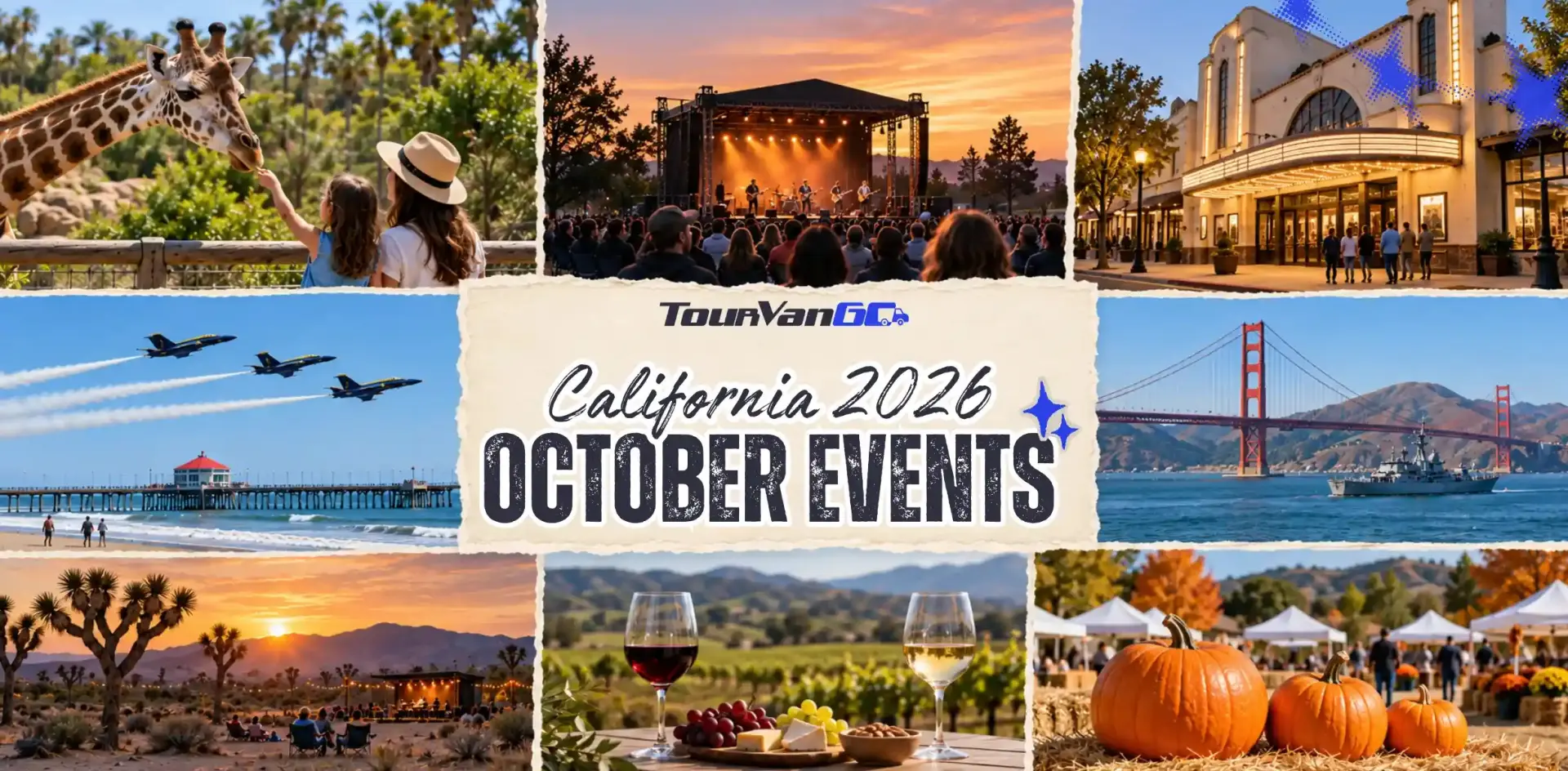
October in California has a bit of an identity crisis in the best possible way. You can spend one weekend listening to metal in Sacramento, the next watching jets fly over the Pacific, and another surrounded by enormous pumpkins on the coast. The October events in California calendar for 2026 has plenty of reasons to turn an ordinary weekend into a road trip. Families can take advantage of monthlong offers in San Diego, music fans have festivals in Sacramento and Joshua Tree, and fall lovers can finish the month with a classic pumpkin-filled day in Half Moon Bay. Here are eight California events worth putting on your October calendar, along with the dates, locations, and planning details you’ll want before heading out. October may be one of the smartest months for families to plan a San Diego getaway. Kids Free San Diego runs throughout the month, bringing together more than 100 special offers from participating attractions, museums, hotels, restaurants, and other businesses across the county. The offers are not identical, so this is one event where reading the fine print can actually save you money.
Read more...Oct 2, 2026